 EN
EN
 AR
AR
 FR
FR
 EL
EL
 HI
HI
 PT
PT
 RU
RU
 ES
ES
 TL
TL
 ID
ID
 UK
UK
 VI
VI
 TH
TH
 TR
TR
 FA
FA
 MS
MS
 AZ
AZ
 KA
KA
 UR
UR
 BN
BN
 GU
GU
 HA
HA
 IG
IG
 KM
KM
 LO
LO
 LA
LA
 MR
MR
 MN
MN
 NE
NE
 SO
SO
 TA
TA
 YO
YO
 ZU
ZU
 MY
MY
 KK
KK
 MG
MG
 KU
KU
 KY
KY
 SD
SD

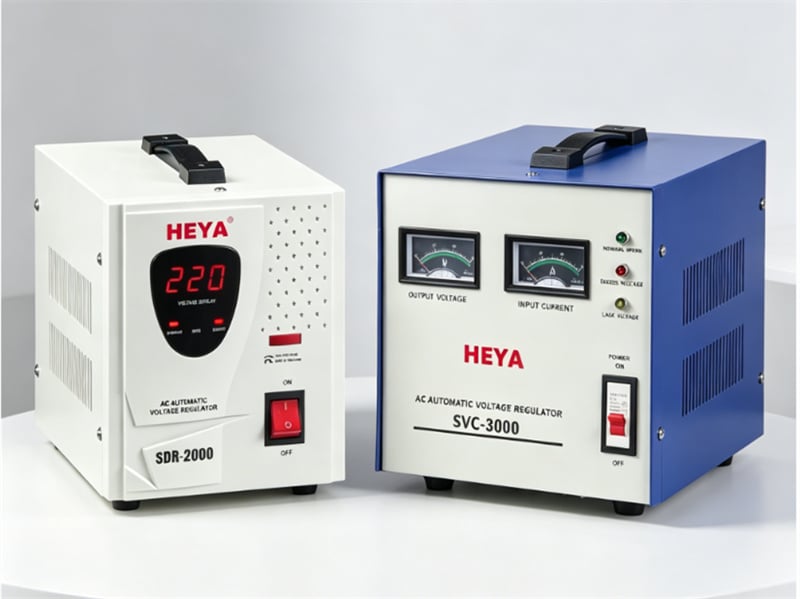
Хүчдэлийн электроникийн дэлхийд тогтвортой хүчдэл хадгалах нь зөвхөн лукс биш—техникийн шаардлага юм. Цахилгааны сүлжээнд хүчдэлийн хэлбэлзэл нь үйлдвэрлэлд төхөөрөмжийн гэмтэл, өгөгдлийн алдагдал, ач төлөвлөгөөний хохиролд хүргэдэг. Хүчдэлийн хэлбэлзлийг давлахад хамгийн түгээмүүр хоёр технологи нь Серво-типи (серво) ба Реле-типи (реле) хүчдэл зохицуулагчид юм. ЮЭЦЗИНГ ХЭЙЮАНЬ ЭЛЕКТРОННЫ ТЕХНОЛОГИЙН КОМПАНИ, ЛТД (ХЭЙЯ)-д бид хоёрынх нь мэргэжлийн үйлдвэрлэлд тулгуурлан SVC цуврал (Серво) ба SDR цуврал (Реле) бүтээдгүүр. Энэ статт нь техникийн онцлог, ажиллах үзүүрлүүр, ажиллах үеийн нийт үнэ (TCO) шинжилгээний дэлгэрэнгүй тайлбарыг үлдээдгүүр.
Үндсэн ойлголтуудыг ойлгох: Түүдүүр ажиллаж буй бүтэц
Реле-типи (ХЭЙЯ SDR цуврал)
HEYA SDR цуврал зэрэг релейн төрлийн даралтын зохицуулагч нь трансформаторын өөр өөр шүүлт хооронд шилжих электрон релейн цуврал ашиглаж ажилладаг. Сахилга хангамжийн эрчим хүч өөрчлөгдөх үед удирдлагын тойрог өөрчлөлтийг илрүүлж, тохирсон давтамжийг тодорхой алхамд тохируулахын тулд зохих релейг хөдөлгөөнд оруулна.
HEYA SDR-ийн дэвшилтэт техникийн онцлог:
- Хариуцах цаг: Хэт хурдан. Цахим шилжилтийг ашигладаг тул SDR цуврал нь 10-20ms-ийн дотор эрчим хүчний өөрчлөлтөд хариуцаж чадна.
- Хамгаалалтын зорилго: 120°C дулааны хяналтын мэдрэгчтэй, дотоод температур нь удаан хугацааны турш зогсох үед аюулгүй байдлын хязгаарыг давсан тохиолдолд ачааг автоматжуулж, салж болно.
- LCD-н хяналт: Орчин үеийн SDR нэгжүүд нь Идэлбэр/Идэлбэр даралт, ачааллын хувь, Орчингийн байдал (Ажиллах/Тэргүүцэл/Хөгжлийн алдаа) зэрэг параметрүүдийг харуулсан LCD дэлгэцтэй байдаг.
- Бат бөх чанар: Дэмтэл, биеийн цохилд өндөр тэсвэртэй, энэ нь хатуу орчинд тохиромжтой.
Сервоны төрөл (HEYA SVC цуврал)
Серво-типын зохицуулагчид, жишээ нь HEYA SVC цуврал, өндөр хүчдэлт серво-хөдөлгүүр ашиглан торойдаль трансформаторын ороолмос дээрх нүүрлэн хөдөлж буй карбон хүрээг физик шүүрүүлд ашиглана. Энэ нь гаралтын хүчдлийг тасралтгүй, урт хугацааны турш тасралтгүй зохицуулж, дискрет алхамуудаар бус.
HEYA SVC-ийн үлдэц техник онцлог:
- Дотоод бодит: Даамжин нарийн тодорхойлолт. SVC цуврал нь ихэвчлэн гаралтын нарийн тодорхойлолтыг ±1%–±3% (жишээ нь, 220 В ± 2.2 В) хооронд хадгална.
- Долгион хэлбэрт бүтэн бүтэл: Гармоник искажимүйн түүнхүүл. Тапын хооронд «дараалан солих» үйлдэл гүйцэтгүй тул чист синус долгион гаралт үүсгэн, өндөр чанарын дууны төхөөрөмжүүд юм уу мөрдөх лабораторийн төхөөрөмжүүдийн хувьд шаардлагатай.
- 99.99% хүртэлх зэс чистота: Торойдаль трансформаторууд 99.99% өндөр чистотат, хүчилтүүрүй зэс ашиглан ороолмосд ороолмосд ороолмосд ороолмосд ороолмосд ороолмосд ороолмосд ороолмосд ороолмосд ороолмосд ороолмосд ороолмосд ороолмосд ороолмосд ороолмосд ороолмосд ороолмосд ороолмосд ороолмосд ороолмосд ороолмосд ороолмосд ороолмосд ороолмосд ороолмосд ороолмосд ороолмосд ороолмосд ороолмосд ороолмосд ороолмосд ороолмосд ороолмосд ороолмосд ороолмосд ороолмосд ороолмосд ороолмосд ороолмосд ороолмосд ороолмосд ороолмосд ороолмосд ороолмосд ороолмосд ороолмосд ороолмосд ороолмосд ороолмосд ороолмосд ороолмосд ороолмосд ороолмосд ороолмосд ороолмосд ороолмосд ороолмосд ороолмосд ороолмосд ороолмосд ороолмосд ороолмосд ороолмосд ороолмосд ороолмосд ороолмосд ороолмосд ороолмосд ороолмосд ороолмосд ороолмосд ороолмосд ороолмосд ороолмосд ороолмосд ороолмосд ороолмосд ороолмосд ороолмосд ороолмосд ороолмосд ороолмосд ороолмосд ороолмосд ороолмосд о......
- Микропроцессорын хяналт: Өндөр түвшний CPU серво-хөдөлгүүрийн хурдыг удирдаж, урт хугацааны дуудлагын гүйдэлт нүүрлэн хөдөлж буй карбон хүрээг физик шүүрүүлд ашиглана. Энэ нь гаралтын хүчдлийг тасралтгүй, урт хугацааны турш тасралтгүй зохицуулж, дискрет алхамуудаар бус.
Техник харьцуулалт: Ажиллах үзүүрлүүд
1. Наад захын нарийвчлал ба тогтвортой байдал
Хамгийн чухал ялгаа гаралдаг нь гаралтын хүчдлийн нарийвчлалд. HEYA-н SVC цуврал нь дор дутуу 5% хазайлт ч аюулд хүргэж чадах үйлдвэрлэлд зориулан төлөвлөгдсөн. ЧПУ төхөөрөмж (Fanuc эсвэл Haas), лабораторийн төхөөрөмж, анагаах ухааны дүрсийн харуулалтын төхөөрөмжид серво технологийн гладкийн, нарийвчлалт засварлалт шаардагддаг. Харин SDR цуврал (реле) нь ихэвчлэн ±8%–±10% нарийвчлалыг үзүүрлэдэг, үүнээс хоол орхим, кондиционер, телевизор зэрэг үүрдний хэрэгсэлд хангалттай.
2. Хариу үйлдлийн хурд vs. Засварлалтын гладкийн
Моментальны үсрэлт эсвэл хурдан хэлбэлзлийн (транзиент) тохиолдолд HEYA SDR цуврал 10 мс-ийн хариу үйлдлийн хугацаатай тул давуу талтай. Гэтгүй, засварлалт "алхам алхам" хийгддэг, иймд гэрлийн хоолойд харагдахуйц мигралт үүсгэж болзошгүй. SVC цуврал бавтруулах хурд удаан (типикийн тохиолдолд 10% өөрчлөлтөнд 0,5–1 секунд), гэтгүй бүртэн гладкийн засварлалт хийдэг, үүнээс үүдүүн өндөр түвшний серверүүдийн мөчирдүүн цахилгаан хангамжийн хувьд илүү аюулгүй.
3. Дулааны ба дүүрэн ачааллын хамгаалалт
Хоёр цувралд ч "120°C-ийн дулааны таслалт" систем орж иржээ. Хүчтүүн дүүрэн ачаалал эсвэл муу вентиляцийн улмаас меднүүдний ороолт 120°C-ийн температурт хүрвэл төхөөрөмж гал төрөхөөс ба бүр нүүрдүүн гэмтэл үүсгэхөөс саакархууна. LCD дисплейн дээр "Дулааны хэт өсөлт" гэж зааж, техник үйлчилгээний ажилтнуудын хурдан оношлогоог хөнгөвчилжээ.
Нийт үндсэн өртгийн (TCO) шинжилгээ
B2B төсөлд худалдан авах үед анхны худалдан авах үнэ нь зөвхөн нэг хэсэг л юм. Дэлгэрэнгүй ТСО (нүүрдүүн үнэ) шинжилгээ HEYA бүтээдүүдийн урт хугацааны үнэ цэнэгүйг нүүрдүүн харуулжээ.
HEYA-н ТСО давуу тал: ХЭЙА-н нэгжүүд 99,99% чист меднээс бүтдэг тул түүнийхүүд хямпай алюминийн орлуулалтуудаас илүү хөхрүүн ажилладаг. Үйлдвэрлэлийн объектын цахилгааны зардлыг бүтээгдэхүүний 10 жилийн үйлдлийн хугацаанд мянган долларын хэмжээнд хорогдуулж, үйлдлийн үр дүнд 5% -ийн нэмэлт өсөлт олж авах боломжтой. Түүнчлэн, СВЦ-н өндөр нарийн төвөгтөй бүтэц нь мөнгөн хүчдлийн чанарын доод түвшинт нууц хориглолтыг сааруулж, үнэт үйлдвэрлэлийн контроллерүүдийн солилцооны давтамжийг бүүр бүүр бүүр бүүр бүүр бүүр бүүр бүүр бүүр бүүр бүүр бүүр бүүр бүүр бүүр бүүр бүүр бүүр бүүр бүүр бүүр бүүр бүүр бүүр бүүр бүүр бүүр бүүр бүүр бүүр бүүр бүүр бүүр бүүр бүүр бүүр бүүр бүүр бүүр бүүр бүүр бүүр бүүр бүүр бүүр бүүр бүүр бүүр бүүр бүүр бүүр бүүр бүүр бүүр бүүр бүүр бүүр бүүр бүүр бүүр бүүр бүүр бүүр бүүр бүүр бүүр бүүр бүүр бүүр бүүр бүүр бүүр бүүр бүүр бүүр бүүр бүүр бүүр бүүр бүүр бүүр бүүр бүүр бүүр бүүр бүүр бүүр бүүр бүүр бүүр бүүр бүүр бүүр бүүр бүүр бүүр бүүр бүүр бүүр бүүр бүүр бүүр бүүр бүүр бүүр бүүр бүүр бүүр бүүр бүүр бүүр бүүр бүүр бүүр бүүр бүүр бүүр бүүр бүүр бүүр бүүр бүүр бүүр бүүр бүүр......
Хэрэглээний заавар: Үйлдвэрлэлийн хэрэглээний жишээнүүд
ХЭЙА СДР (реле төрөл):
- Орон сууцны хамгаалалт: Цахилгааны шүүлтүүрт "хүчдлийн бууралт" их тохиодог бүснүүдэд орон сууцны гол цахилгааны шүүлтүүрийг хамгаалах.
- Бюрократик техник: Копир машинар, лазер хэвлүүрүүд, жижиг серверын бүлгүүд.
- Текстиль машинууд: Хөдөлгөөн их бүснүүдэд, нарийн төвөгтөй бүтэц шаардагдахгүй, гэтэл хүчдлийн урт нь хурдан хариу үзүүлж чадах нөхцөлд.
ХЭЙА СВЦ (серво төрөл):
- CNC нарийн төвөгтэй бүтээл: Дараах брендүүдийн хувьд шаардлагатай: FANUC , Siemens , ба Haas бүтээлд тэнхлэгийн хазайлт үүсэхийг саархуулахын тулд.
- Шинжлэх ухааны ажил: Их сургуулийн лабораториудад спектрофотометр ба электрон микроскопыг хамгаалах.
- Мэдээллийн центрүүд: Серверийн тавиурт шаардлагатай тогтвортой 230 В-т. Шнайдер эсвэл DELTA серверийн тавиурт.
Дүгнэлт: HEYA-н давуу тал
Та SDR цувралын хурдан хариу үйлдлийг сонгох юм уу SVC цувралын мөчиртөн нарийн төвөгтэй бүтээлийг сонгох — HEYA таны төхөөрөмжүүдийг инженерийн ажилд арав гаруй жилийн туршлага бүхий чанарын баталгаа үзүүлнүүр. CE, ROHS, EAC стандартуудын хүлээлт, «Гүнзгий чанарын хяналт» (PQC) болон 99,99% зэс чистота — бүгд нь HEYA-г цахилгаан хангамжийн салбард B2B худалдааны итгэмүүр хамтран ажиллах хүн гэж тодорхойлно.
Бидний бүх цахилгаан даралт зохицуулагчдын тухайд илүү дэлгэрэнгүй мэдээлэл авах, мөн професиональ зөвлөгөө хүсэх тохиолдолд одоохондоо HEYA-тай холбогдун. Таны ирээдүйн тогтвортой бүтээлд бид туслах гэж бүх силүүдийг хөдөлгөн оролцож бүүн.