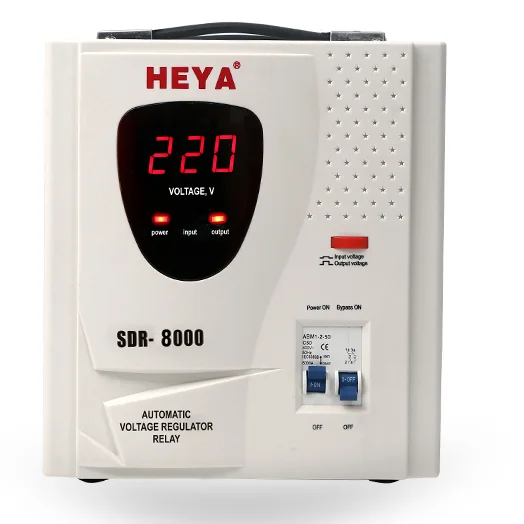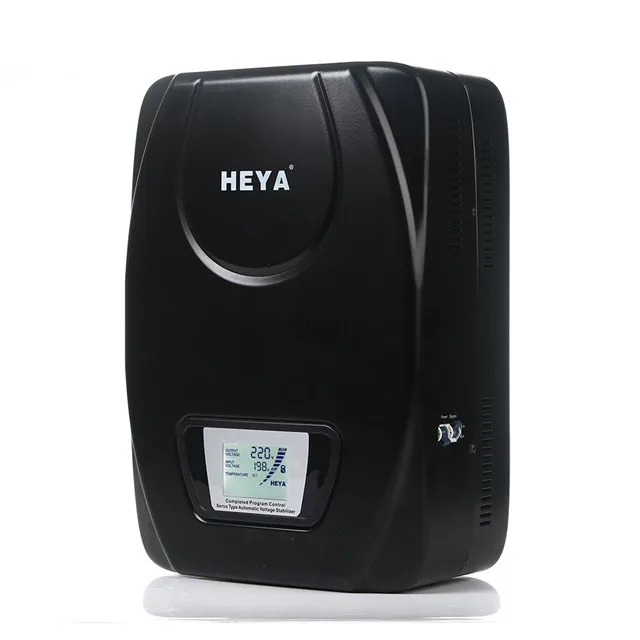
Heyuan Exploring voltage can be a little confusing, but don’t stress, we’ll be with you every step of the way! So let's begin discussing about 3 phase and single phase voltage. Voltage is like the force that causes our lights to turn on and our devices to operate
When we talk about single phase voltage, we’re referring to the electricity flowing in one direction, like the water in a straight pipe. It’s widespread in homes and small businesses. On the other hand the 3 phase voltage is similar to having three water pipes running together. It voltage regulator module is employed in larger buildings and industrial applications where it can carry heavier loads.
There are a number of differences between a 3 phase and single phase voltage system, including the wires used. In single phase systems there are only 2 wires coming into your home - a “hot” and a “neutral” wire. 3 phase systems, on the other hand, have three “hot” wires and a “neutral” wire. Having this extra wire on 3 phase systems allows for greater power capacity and is a must-have for heavy machinery or equipment use
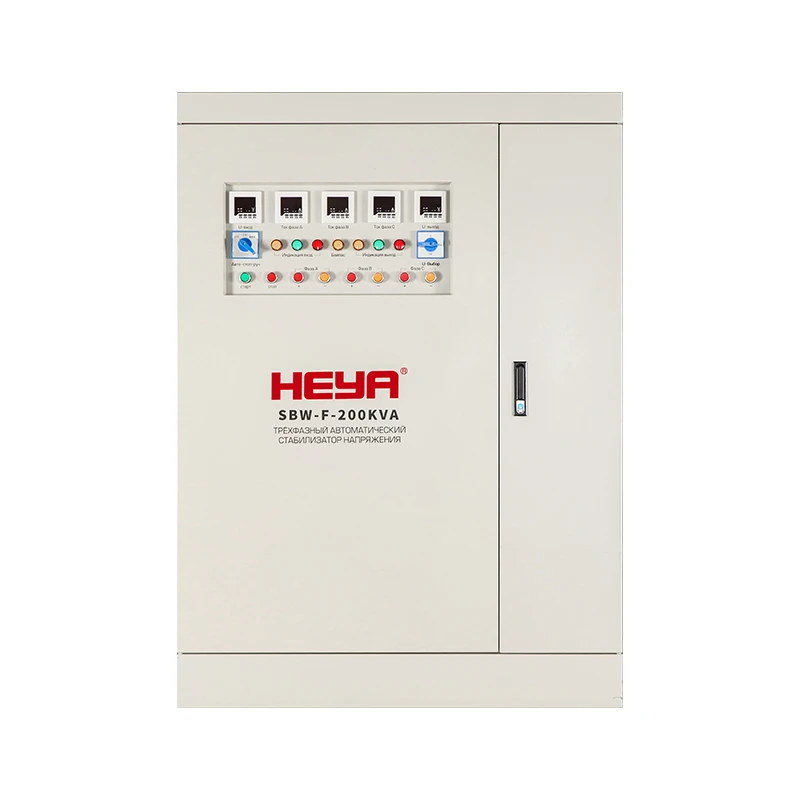
Next, we will discuss the pros and cons of 3 phase voltage vs single phase voltage. 3 phase voltage can supply you with more power One of the biggest benefits of a 3 phase voltage supply is that it can deliver more power than a classic single-phase voltage, and it’s therefore well-suited to power regulator large buildings or factories that consume a lot of electricity. Nevertheless it will be appreciated that it can be more difficult and costly to establish a 3 phase system than a single phase system.
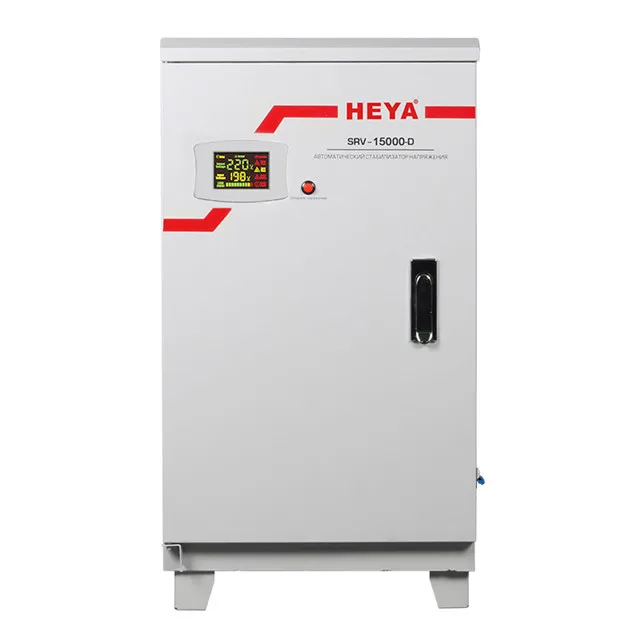
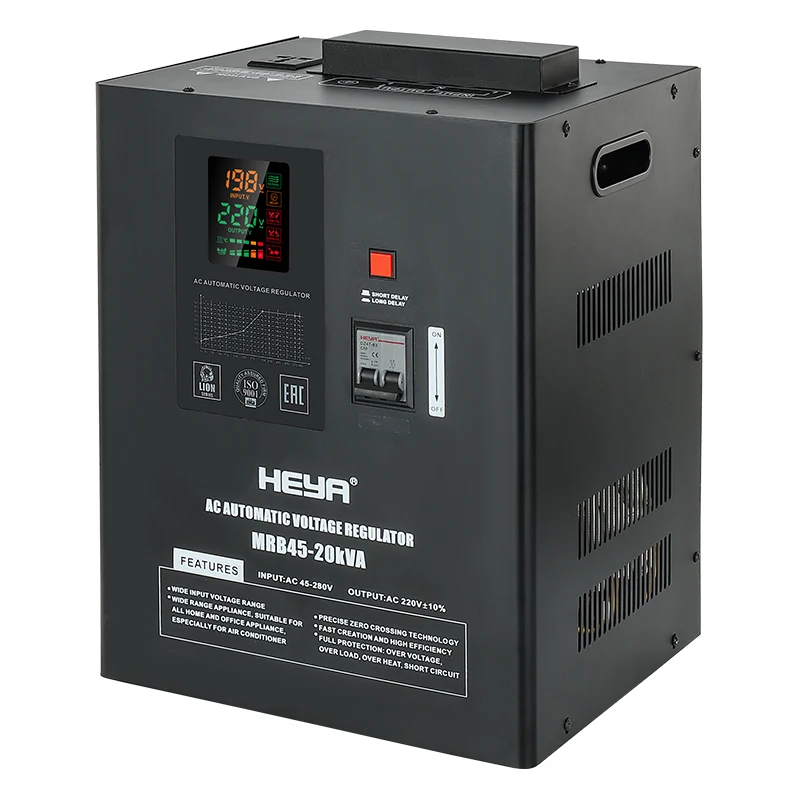
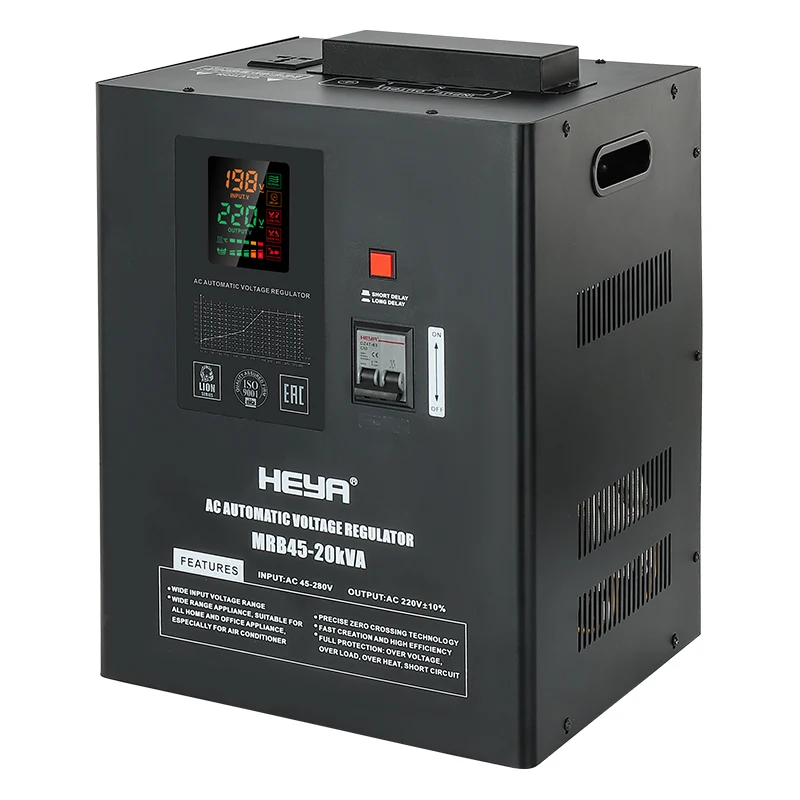
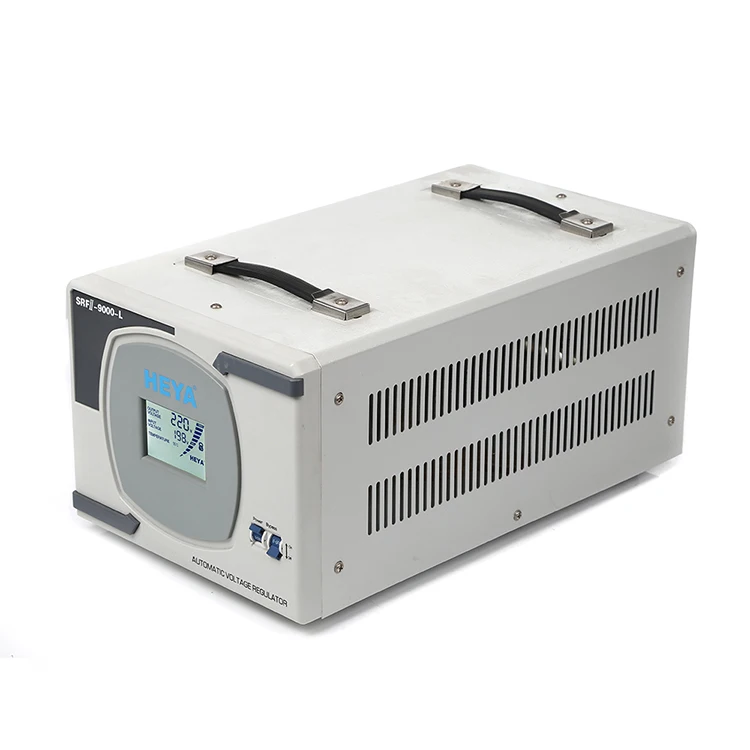
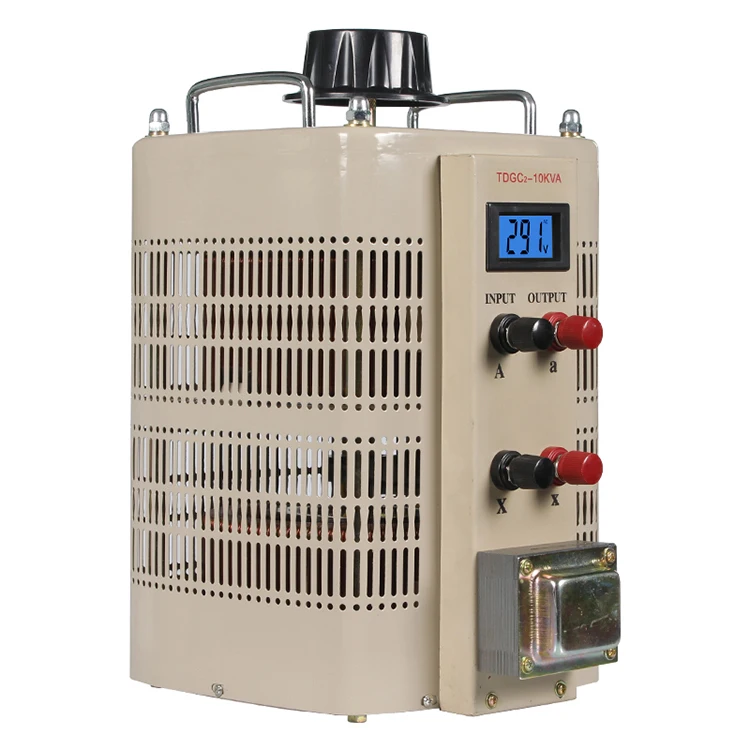
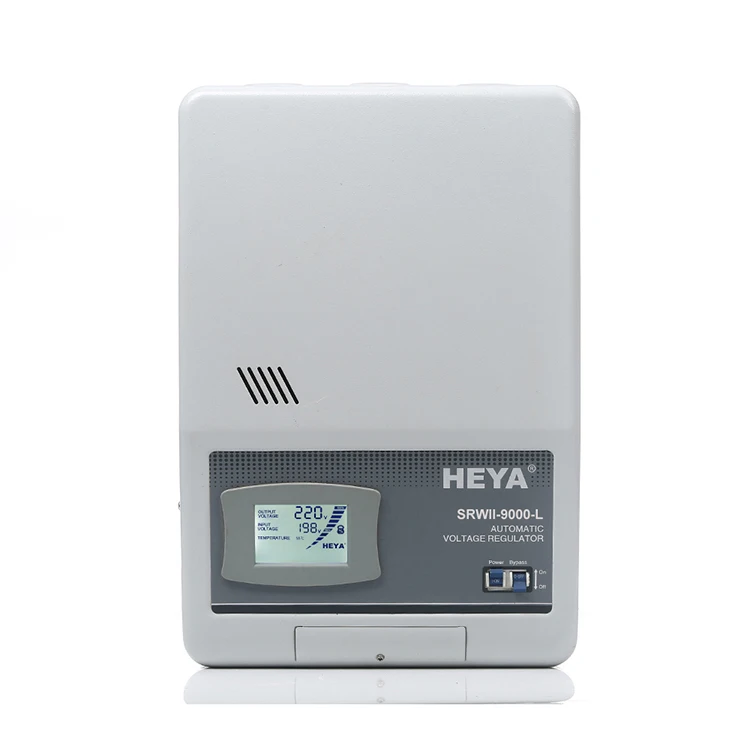
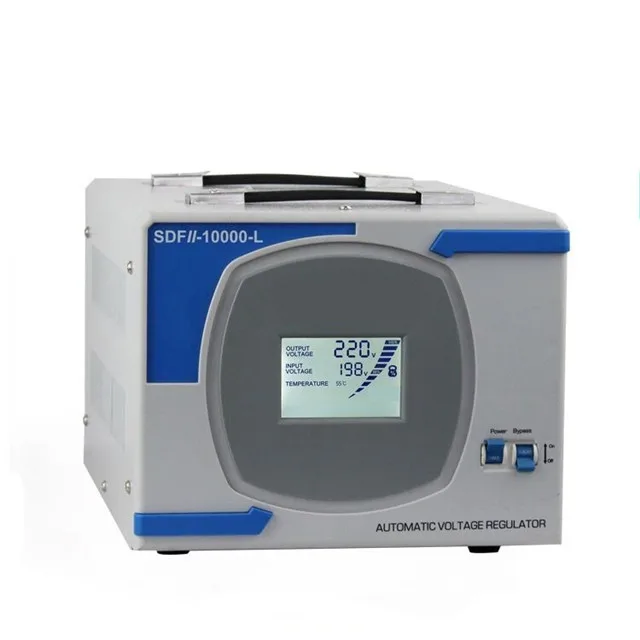
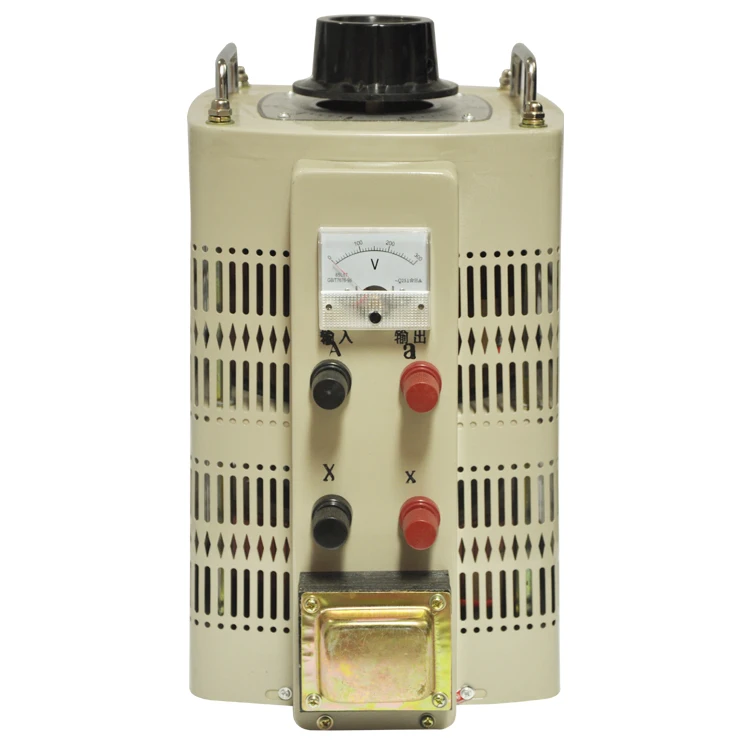
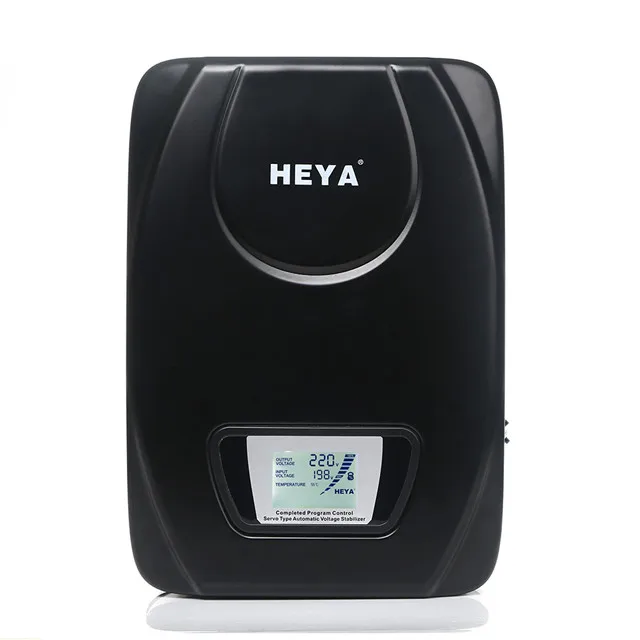
There are a few methods to control the voltage and one way of doing it is by voltage regulators and surge protectors. These devices work to steady out voltage and defend against power spikes. Maintenance and automatic regulator voltage testing of electrical lines should also be done regularly to ensure everything is in good working order.
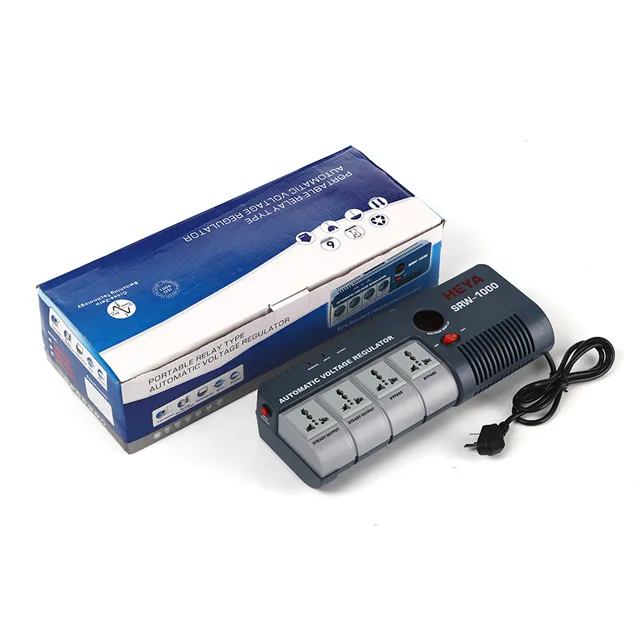
Before you decide to install a 3 phase or single phase power system, the following points need to be considered in consultation with an electrician. They can provide their expertise to help you find the switching regulator perfect system for your home and make sure it’s installed properly.
To preserve your voltage system, you should be performing frequent wire and equipment inspections for damage or wear. Don’t leave flammable materials near electrical panels as they can lead to overheating. And, of course, when voltage regulator working with electricity, always remember to follow safety guidelines to prevent accidents.
Copyright © Yueqing Heyuan Electronic Technology Co., Ltd. All Rights Reserved | Privacy Policy | Blog
 EN
EN
 AR
AR
 FR
FR
 EL
EL
 HI
HI
 PT
PT
 RU
RU
 ES
ES
 TL
TL
 ID
ID
 UK
UK
 VI
VI
 TH
TH
 TR
TR
 FA
FA
 MS
MS
 AZ
AZ
 KA
KA
 UR
UR
 BN
BN
 GU
GU
 HA
HA
 IG
IG
 KM
KM
 LO
LO
 LA
LA
 MR
MR
 MN
MN
 NE
NE
 SO
SO
 TA
TA
 YO
YO
 ZU
ZU
 MY
MY
 KK
KK
 MG
MG
 KU
KU
 KY
KY
 SD
SD